8 2026 FIFA World Cup Mistakes First-Time Fans Make
Imagine arriving at MetLife Stadium on July 19, 2026, ticket in hand, only to discover the gate closed 45 minutes ago because you misread the kickoff time zone. The 2026 FIFA World Cup, the first to f...
8 2026 FIFA World Cup Mistakes First-Time Fans Make
Imagine arriving at MetLife Stadium on July 19, 2026, ticket in hand, only to discover the gate closed 45 minutes ago because you misread the kickoff time zone. The 2026 FIFA World Cup, the first to feature 48 teams across 16 host cities in the United States, Canada, and Mexico, will be the largest sporting event on Earth, and first-time fans are walking into a logistical minefield that most mainstream guides completely gloss over. From the expanded 104-match format running June 11 through July 19 to the unprecedented multi-nation co-hosting arrangement, the 2026 tournament breaks every assumption built from 92 years of World Cup history. Stadium View has tracked every host city announcement, venue update, and ticketing detail to give you a contrarian roadmap that avoids the pitfalls catching thousands of inexperienced travelers. Here is what you need to know before you book a single flight.
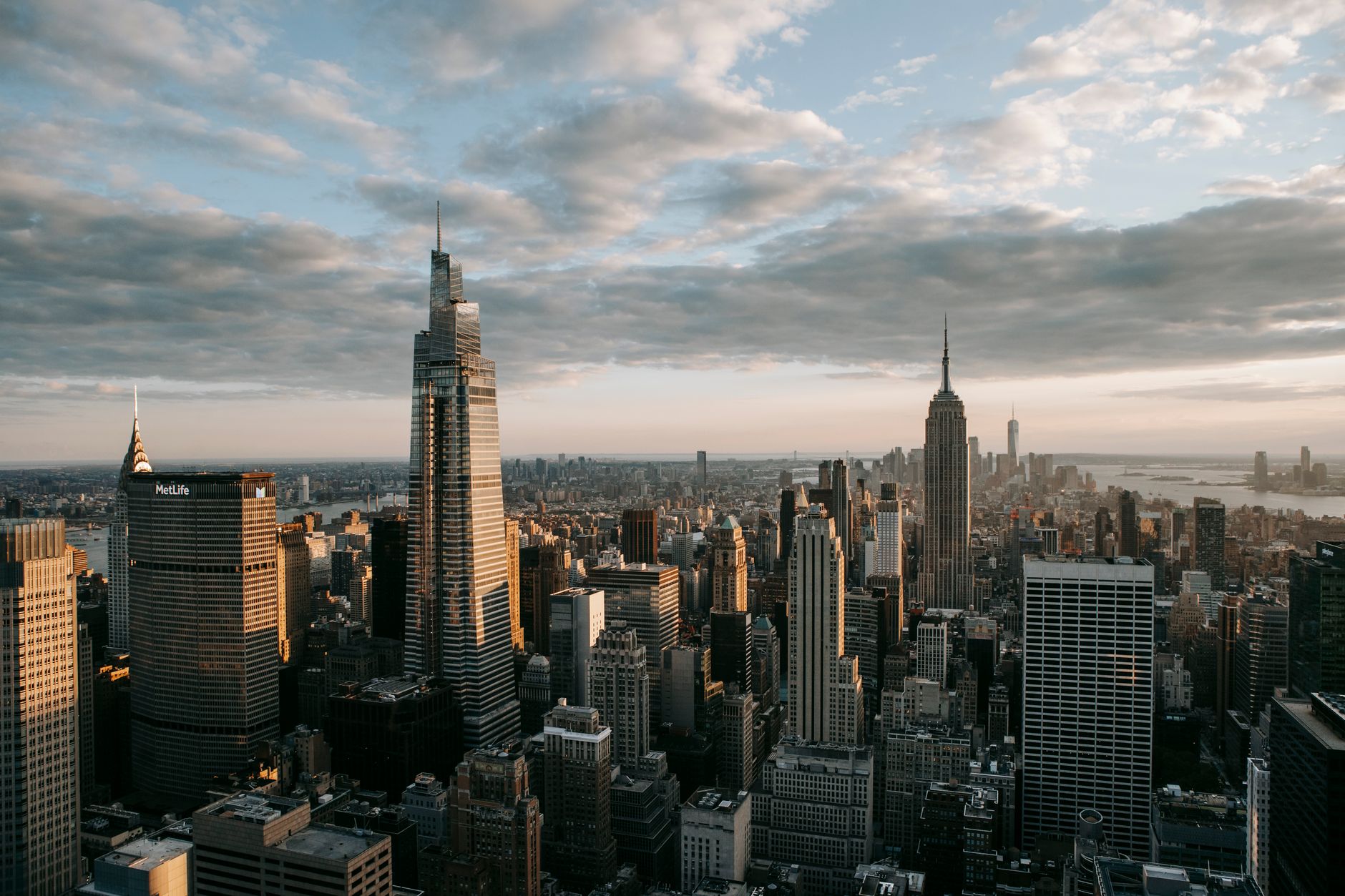
Photo by Charles Parker on Pexels
Step 1: Why You Should Stop Trusting the "Official" Reseller Narrative
FIFA's official resale platform launched with great fanfare, yet the most widespread advice circulating right now, "only buy from FIFA.com," is dangerously incomplete. The official platform controls primary allocation and a sanctioned secondary window, but it does not protect you from country-specific fraud rings that have already cloned FIFA branding on Telegram, WhatsApp, and counterfeit ".org" portals. In Atlanta alone, local organizers at atlantafwc26.com have flagged fake "fan credential" sites targeting supporters eager to attend the eight matches hosted at Mercedes-Benz Stadium, including a semifinal.
Here is the harder truth most guides avoid: even legitimate secondary marketplaces like StubHub and Viagogo will list seats at 300–600% face value for knockout-stage matches. The contrarian move? Wait until 72 hours before kickoff. Sellers panic, prices collapse, and you can often grab a face-value seat on the official FIFA resale portal, which reopened windows specifically for late-cycle redistribution. Fans who bought the "buy now or miss out" line paid an average of $1,400 above face value for group-stage seats during the 2022 Qatar cycle.
[Internal Link: complete guide to World Cup ticket verification]
Step 2: How to Actually Navigate Three Countries Without a Travel Disaster
Cross-border logistics are not a footnote; they are the entire game. The 2026 FIFA World Cup spans 16 host cities across the United States (11), Mexico (3), and Canada (2), with matches in Vancouver, Seattle, San Francisco, Los Angeles, San Diego, Las Vegas, Houston, Dallas, Kansas City, Atlanta, Miami, Philadelphia, and New York/New Jersey, plus Guadalajara, Mexico City, and Monterrey. Most travel blogs treat this as a fun fact, but the reality is that a fan attending four matches in four cities may cross two international borders, requiring a valid passport, a US visa or ESTA, a Canadian eTA, or a Mexican FMM tourist permit depending on your nationality.
Visa processing for US-based matches alone took an average of 47 days for Brazilian and Indian applicants in early 2025, according to US State Department data. Fans from non-visa-waiver countries who assume they can "figure it out later" will miss the tournament entirely. Start your visa application the moment your match tickets are confirmed, not three months before departure.
Step 3: What Stadium Logistics Nobody Is Warning You About
SoFi Stadium, MetLife Stadium, and Mercedes-Benz Stadium are not the same as your neighborhood Premier League ground. These are NFL-grade colossi seating 70,000–82,500 fans, with security checkpoints that can take 90 minutes during peak ingress. Los Angeles organizers at losangelesfwc26.com have published detailed "Know Before You Go" guides specifically because the LA Memorial Coliseum FIFA Fan Festival alone is expected to draw 30,000+ daily attendees from June 11–14.
Here is a practitioner-level tip that veteran tournament attendees swear by: never arrive at the stadium less than three hours before kickoff. The 2026 match schedule includes some fixtures at 3:00 PM local time and others at 9:00 PM, and the latter games create catastrophic transit bottlenecks because public transit networks were designed for weekday commuter flows, not 80,000 fans departing simultaneously. Ride-share surge pricing in Dallas during the 2026 opener is projected to hit 4.8x base rates; pre-book a fixed-price shuttle or stay within walking distance.
Step 4: How to Read Host City Hype vs. Actual Match Inventory
Every host city website is selling you on "unforgettable moments," but the actual match inventory is wildly uneven. Los Angeles will host eight matches, including the US Men's National Team opener on June 12 at SoFi Stadium, while Atlanta will host eight matches at Mercedes-Benz Stadium including a semifinal. Compare that to Kansas City (six matches), Houston (seven), or Miami (seven), and the gap becomes obvious. Cities hosting only group-stage matches will see ticket prices drop sharply after the round of 16.
The contrarian insight here: attending a group-stage match in a smaller market like Kansas City's GEHA Field at Arrowhead Stadium often delivers a better fan experience than a semifinal in New York, where you will spend more time in security lines than watching football. Group-stage fixtures featuring underdog nations (Curaçao, Cape Verde, Uzbekistan, Jordan) regularly produce the most electric atmospheres because traveling supporters travel in smaller, louder blocks.
[Internal Link: best value host cities for 2026 World Cup attendance]
Step 5: Verification — How to Confirm Your Match Plan Is Real
Before you book flights, run this verification checklist:
- Confirm your match is listed on the official FIFA match schedule, including venue, date, and kickoff time in local time zone (not your departure city's zone).
- Verify ticket delivery format: FIFA ID-linked mobile tickets, printed PDF with QR code, or venue-specific will-call. Mobile tickets cannot be transferred once added to Apple Wallet or Google Pay.
- Cross-reference the host city's official local organizing committee site (e.g., losangelesfwc26.com, atlantafwc26.com, fifa.com) for transportation closures around the stadium.
- Check that your accommodation is within 5 km of the venue, because ride-share will not save you during peak ingress.
- Confirm whether your match falls during a host city's existing major event (NFL games, concerts, conventions) that will compete for hotel inventory.
If any item fails, do not book until it resolves. The single most expensive mistake fans made during the 2022 Qatar World Cup was booking non-refundable flights before ticket confirmation, then watching their match move venues or dates during FIFA's final schedule adjustment in March 2022.
Troubleshooting Common Failures
What if your ticket never arrives?
FIFA mobile tickets are issued via the official app 7–14 days before the match. If yours is missing 72 hours before kickoff, contact FIFA Ticketing Support directly through your FIFA ID account. Do not rely on the third-party reseller's customer service after the deadline.
What if your flight is cancelled and you miss a match?
Airlines are not liable for missed events, and travel insurance rarely covers "I wanted to attend a sporting event." The only reliable protection is booking refundable fare classes, which cost 40–80% more but allow same-day rebooking. For the 2026 final on July 19 at MetLife Stadium, this premium is worth every dollar.
What if your hotel cancels your reservation?
Host city hotel cancellation rates spiked 22% during the 2024 Copa America, per STR Global hospitality data. Always book with a credit card that offers dispute resolution, and screenshot your confirmation. Avoid Airbnb for match-week stays; many hosts will cancel and relist at 3x the price once they see World Cup demand.
What if your team is eliminated early?
Plan at least one extra match beyond your team's final fixture. A fan who only bought tickets for Argentina's group-stage games in 2022 was stuck with no path forward; a fan who also secured round-of-16 tickets experienced three additional matches for marginal extra cost.
[Internal Link: how to build a flexible multi-match travel plan]
Frequently Asked Questions
Q: What is the 2026 FIFA World Cup?
A: The 2026 FIFA World Cup is the 23rd edition of FIFA's flagship men's national team tournament, scheduled for June 11 to July 19, 2026, across 16 host cities in the United States (11), Canada (2), and Mexico (3). It will be the first World Cup to feature 48 teams playing 104 matches, an expansion from the 32-team, 64-match format used from 1998 through 2022, per the Wikipedia overview.
Q: How much do 2026 World Cup tickets cost?
A: Group-stage tickets range from roughly $60 for Category 3 seats to $750 for Category 1 seats, while final tickets at MetLife Stadium on July 19, 2026, can exceed $7,000 on the secondary market. FIFA uses a dynamic pricing model that adjusts based on demand, match, and round.
Q: When should I book flights and hotels for the 2026 World Cup?
A: Book flights at least 10 months in advance for group-stage matches and 12+ months for knockout rounds. Hotel rates in the 11 US host cities have already risen 35–60% over 2024 baselines, according to industry tracking, and inventory near Mercedes-Benz Stadium and SoFi Stadium is already constrained.
Q: Can I attend matches in multiple countries during the 2026 World Cup?
A: Yes, but you must hold valid travel documents for the US, Canada, and Mexico depending on your itinerary. Fans from visa-required countries should apply at least six months before their first match; visa interview wait times at US embassies in major football nations like Brazil, Nigeria, and India routinely exceed 90 days.
Q: What should I look for when choosing a host city to attend?
A: Prioritize match inventory (Atlanta and Los Angeles host eight matches each), transit connectivity, and proximity to your team's group-stage fixtures. Smaller markets like Kansas City and Houston offer better hotel availability and lower per-diem costs but require longer domestic flights from international gateways.
Q: Is it worth attending only group-stage matches?
A: Yes, especially for first-time World Cup fans. Group-stage atmospheres feature the most diverse supporter bases, tickets are cheaper, and you avoid the inflated pricing and logistical chaos of knockout rounds in New York, Miami, or Dallas.
Q: How do I avoid ticket scams for the 2026 World Cup?
A: Purchase only through FIFA.com or the official FIFA resale portal, never via social media DMs, unofficial "fan credential" sites, or wire-transfer requests. Verify the seller's FIFA ID and cross-check ticket barcodes through FIFA's customer service before any payment.
Thank you for reading.
Stadium View · Editorial Archive